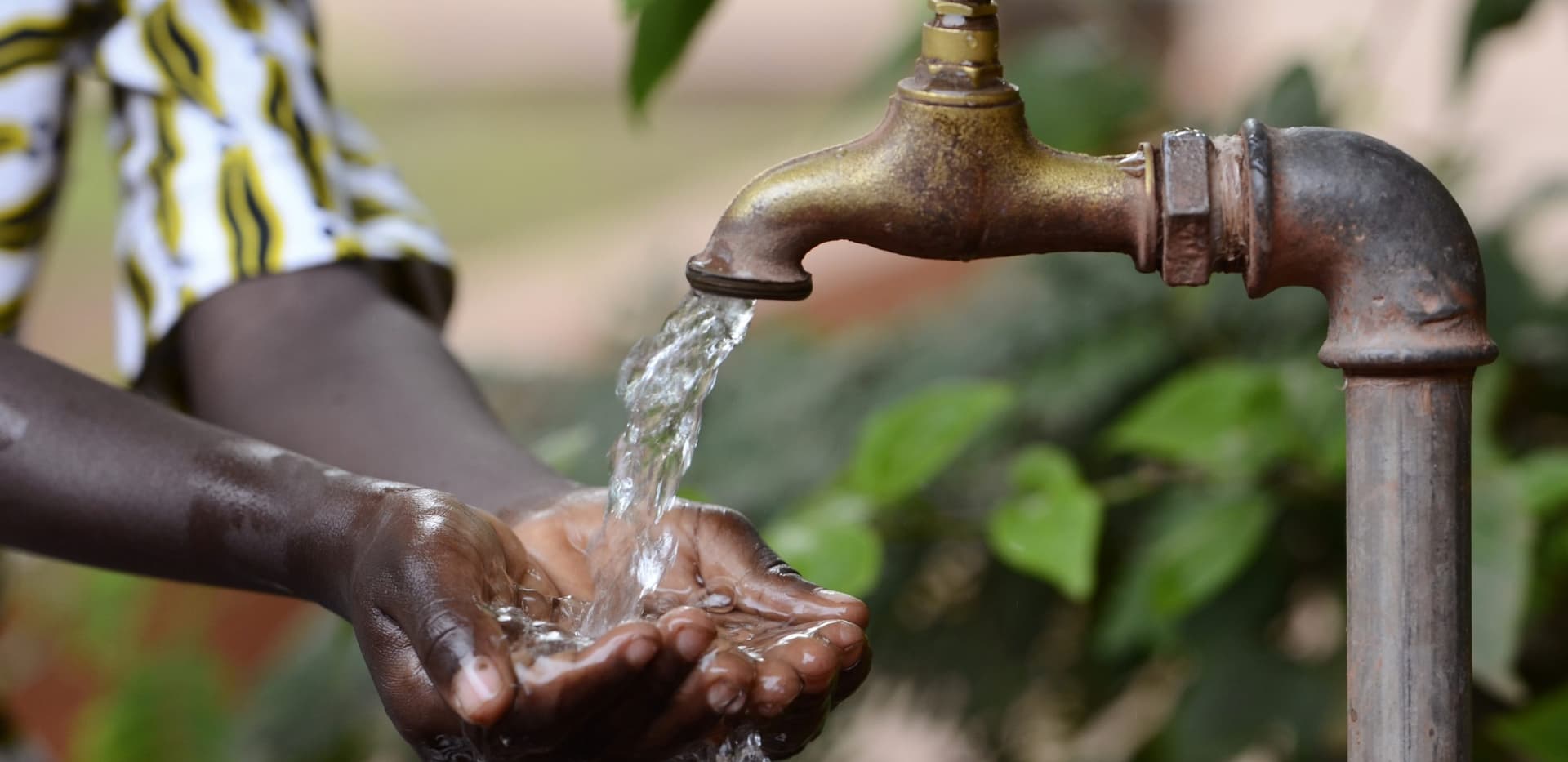
Across Africa, the challenge of ensuring safe, reliable, and sustainable water access remains one of the most pressing development priorities of our time. Rapid urbanisation, climate change, population growth, and environmental degradation are placing unprecedented strain on water systems. Yet, within this challenge lies an opportunity—one that hinges on the power of scientific cooperation.
The upcoming conference, Ensuring Water for All through Scientific Cooperation, to be held on 29 April 2026, brings this opportunity into sharp focus. More than a conference, it represents a strategic platform to position science as a central driver of solutions that are not only innovative, but also inclusive and scalable across the continent.
The African Academy of Sciences (AAS), in partnership with the European Union and the Centre National de la Recherche Scientifique (CNRS), will host this high-level conference at the University of Burundi in Bujumbura, bringing together a diverse cohort of leaders from academia, government, research institutions, and development partners. The event is designed to catalyse dialogue, strengthen partnerships, and explore how scientific collaboration can accelerate progress towards sustainable water access and climate resilience across Africa.
At the heart of this effort is the recognition that no single institution, country, or discipline can solve Africa’s water challenges in isolation. Water systems are deeply interconnected with climate, agriculture, energy, and public health. Addressing them requires interdisciplinary research, cross-border collaboration, and strong partnerships between scientists, policymakers, and development actors.
Through the Africa Research Initiative for Scientific Excellence (ARISE) programme—implemented in partnership with the African Union and the European Union—the AAS is demonstrating how such collaboration can be effectively mobilised. By supporting a new generation of African researchers and facilitating exchanges with global institutions, ARISE is helping to build a critical mass of scientific leaders equipped to tackle complex development challenges.
Partnerships with leading international institutions further amplify this impact. Collaborations between AAS and organisations such as CNRS, alongside agreements with European research bodies, are creating pathways for knowledge exchange, mobility, and joint innovation. These partnerships not only strengthen research capacity but also ensure that African scientists are active contributors to global scientific discourse.
Ultimately, ensuring water for all in Africa is not just a technical challenge—it is a collective endeavour. Scientific cooperation offers a pathway to harness Africa’s intellectual capital, leverage global expertise, and translate research into real-world impact.