News
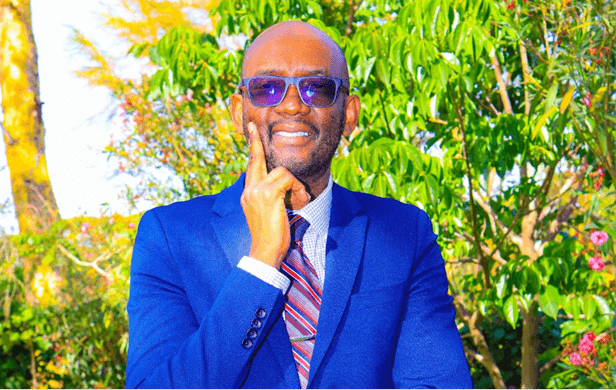
My name is Dr. Kaelo Seatla, a clinician and researcher based at the Botswana Harvard Health Partnership. I work in infectious disease prevention while also caring for patients living with HIV, many of whom are battling highly drug-resistant forms of the virus.
Over the years, one question has stayed with me, quiet, persistent, and urgent:
What happens when the drugs we depend on stop working?
This is not a distant concern. It is already happening. Across Botswana and much of Africa, we have made remarkable progress in expanding access to antiretroviral therapy. But as treatment improves and becomes more widespread, the virus adapts. Drug resistance emerges sometimes silently and when it does, it complicates care, limits treatment options, and places lives at risk.
My work sits at the intersection of clinical care and laboratory science, trying to understand this evolving threat from both sides. In the clinic, I treat individuals with complex, highly resistant HIV infections. In the laboratory, I study the virus itself its genetic mutations, how those mutations affect its ability to survive, and how it responds to different drugs. My research focuses on developing low-cost methods to detect HIV drug resistance, and on understanding how genetic changes in the virus translate into real-world treatment outcomes.
A key part of this work is studying HIV-1 subtype C, the most common strain in southern Africa. We are particularly interested in how this strain behaves when it develops resistance to newer treatments, including integrase inhibitors, which are currently at the forefront of HIV therapy. To do this, we combine genotypic analysis looking at the virus’s genetic code with phenotypic testing, which examines how the virus behaves in the presence of drugs. We also study viral replication capacity to understand how “fit” these resistant strains are.These are not abstract questions. They directly influence how we treat patients.
At the same time, my work is expanding into prevention. I am studying the real-world effectiveness of long-acting injectable HIV pre-exposure prophylaxis (PrEP), generating real-time, contextspecific data from Botswana. This work is critical to understanding whether these promising tools can truly help us move toward a future of zero new HIV infections and what barriers we must overcome to get there. None of this work happens in isolation.
My journey as a researcher has been significantly shaped by the African Academy of Sciences (AAS) through the APTI Fellowship. The Academy is not just a funder it is an enabler of African scientific leadership. Through AAS, I have been able to access sustained support that goes beyond funding. This includes resources to build laboratory capacity, establish new research units, and develop the infrastructure needed to conduct high-quality science on the continent. With this support, I have been able to establish and strengthen an Infectious Disease Prevention Research Unit at my institution, creating a foundation that will outlast individual projects.
Equally important is the global exposure facilitated through the fellowship. My placement at the National Institute of Allergy and Infectious Diseases (NIAID) has allowed me to train in cutting-edge techniques, from next-generation sequencing to advanced virology methods. These are skills that I am actively transferring back to Botswana ensuring that our research environments can operate at the highest global standards.
Through the NIH’s Office of Intramural Training and Education, I also gained skills in leadership, conflict management, and team building tools that are essential for building and sustaining research teams in Africa. But perhaps the most powerful contribution of the African Academy of Sciences is its role in building a community.
It connects African scientists to each other, to global networks, and to long-term opportunities. It creates pathways for early-career researchers to transition into independent investigators. It strengthens not just individual careers, but entire research ecosystems.
For me, this has meant the ability to think beyond immediate projects and begin building something more enduring.
Looking ahead, my focus is on securing sustainable funding to continue this work through partnerships with AAS, Wellcome Trust, and other global funders. But just as importantly, I am committed to mentoring the next generation of African scientists. We need more researchers who understand both the science and the context. More clinicians who can ask research questions. More laboratories that are led from within the continent.
And we must ensure that our findings do not remain in journals. They must inform policy, guide treatment protocols, and shape public health strategies not only in Botswana, but across Africa.
Because the future of HIV research in Africa cannot depend solely on external solutions. It must be built here.
I am deeply grateful to the African Academy of Sciences, the Gates Foundation, and all supporting partners for investing not just in my work, but in the broader vision of African-led science. The fight against HIV is far from over. But with the right tools, the right partnerships, and the right leadership, we can stay ahead of the virus. And we can build a future where treatment failure is no longer a story we tell too often.