News
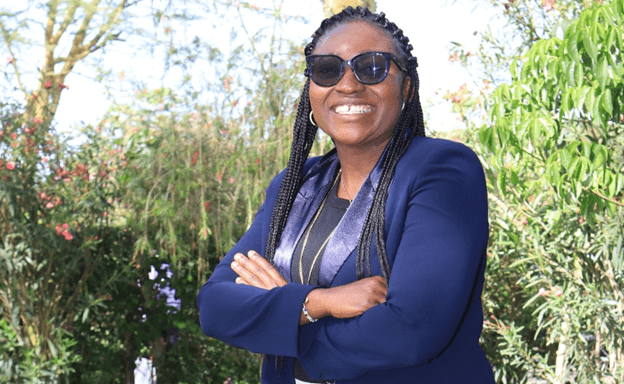
As the global fight against HIV continues, African scientists are playing an increasingly critical role in shaping the future of vaccine development and cure research. Among them is Dr. Vinie Kouamou, a clinical virologist whose work is helping to deepen understanding of HIV immunopathogenesis and the persistent challenge of latent viral reservoirs.
Dr. Kouamou is a clinical research scientist at the Infectious Diseases Research Laboratory and a lecturer in the Department of Chemical Pathology at the University of Zimbabwe. She is also affiliated with the Charles River Medical Group in Harare, where she contributes to research focused on infectious diseases and immune response.
Her research sits at the intersection of HIV cure science, vaccine development, and immunopathogenesis—fields that are essential to ending one of the world’s most enduring pandemics.
Understanding the Hidden Virus
While antiretroviral therapy (ART) has significantly reduced HIV related mortality and improved quality of life, it does not eliminate the virus. HIV persists in the body through what scientists call latent reservoirs, hidden forms of the virus that evade treatment and immune detection. Dr. Kouamou’s work focuses on uncovering these hidden reservoirs.
“Our research aims to better understand the hidden HIV virus in people living with HIV, particularly how these reservoirs contribute to chronic inflammation and affect the immune system,” she explains.
By studying the biology of these reservoirs, her research seeks to identify new pathways toward a functional cure, one that could either eliminate the virus or allow the immune system to control it without lifelong treatment.
Why Africa Must Lead in HIV Research
Sub Saharan Africa carries the greatest burden of HIV globally, accounting for more than two thirds of all people living with the virus. Despite this, much of the cutting edge research on HIV cure strategies is still conducted outside the continent. Dr. Kouamou believes this must change. “It is essential for Africa to actively contribute to and participate in HIV cure research if we are to develop solutions that work for our populations,” she notes. Her work emphasizes the importance of generating Africa specific data, particularly given the complex realities of co-infections and diverse immune responses across populations.
A Novel Approach to HIV Reservoir Research
Through her research, Dr. Kouamou is applying and adapting advanced techniques to amplify and characterize latent HIV reservoirs methods that are widely used in global research institutions but remain underutilized in African contexts. Her goal is to optimize these techniques for use in Africa, enabling more accurate measurement and analysis of hidden viral populations. This work is particularly significant because there is still limited knowledge of HIV reservoirs in African populations, creating a critical gap in global HIV research.
Global Exposure, Local Impact
As part of her APTI Fellowship, Dr. Kouamou is undertaking advanced research training at the National Institute of Allergy and Infectious Diseases (NIAID) in the United States. During her fellowship, she is gaining hands-on experience in HIV reservoir research, bioinformatics, immunology, and virology while also building collaborations with leading scientists in the field. “The exposure to advanced technologies and global expertise has been transformative,” she says. “It has strengthened my ability to contribute meaningfully to HIV research.” However, the ultimate goal is not just learning but application. Returning to Africa, Dr. Kouamou is focused on translating this knowledge into local research environments, strengthening mentorship, and building capacity among emerging scientists.
Building the Next Generation of African Scientists
Beyond her research, Dr. Kouamou is deeply committed to teaching, mentorship, and scientific leadership. Through her academic role and research work, she is helping to train and guide the next generation of African scientists. Her journey has been shaped by several prestigious fellowships, including the NIH/FIC D43 Postdoctoral Fellowship, the Global Virus Network Pandemic Defense Fellowship, the L’Oréal-UNESCO For Women in Science Fellowship, and the HIV Research Trust Grant. These experiences have positioned her as part of a growing community of African researchers driving innovation from within the continent.
Towards an HIV-Free Future
Looking ahead, Dr. Kouamou’s long term vision is to deepen understanding of the immune system’s response to HIV, particularly in African populations. Her research explores critical components such as human leukocyte antigens (HLAs), natural killer cell receptors, B cell receptor genetics, and latent reservoirs. This work is expected to contribute to the development of more effective vaccines and cure strategies tailored to African contexts. “If we are to develop an effective cure or vaccine, it is critical that the populations most affected by HIV are actively involved in the research process,” she emphasizes.
Her hope is that more African scientists will gain access to global research opportunities and bring that knowledge back to the continent strengthening Africa’s leadership in science and innovation.