News
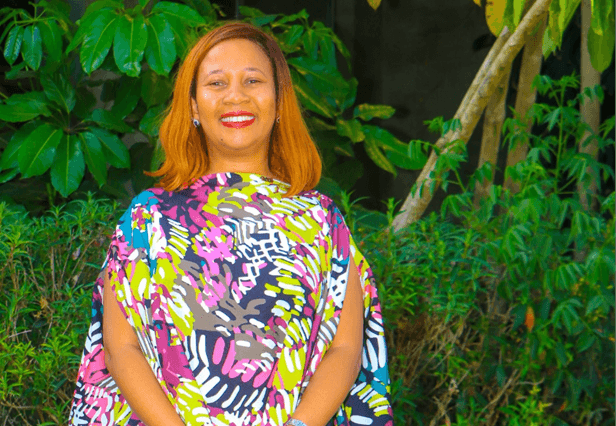
In Kenya, pneumonia remains one of the leading causes of hospitalization among children. But for some, the illness does not come once it returns repeatedly, often leaving lasting damage. For Dr Diana Marangu-Boore, a Senior Lecturer at the Department of Pediatrics’ and Child Health at the University of Nairobi, these recurring cases point to a deeper, often overlooked problem.
“About one in ten children admitted with severe pneumonia experience recurrent episodes,” she explains. “Over time, this can lead to serious complications such as bronchiectasis and interstitial lung disease. But in some cases, the underlying cause is genetic and if identified early, there is something we can do about it. Her work sits at the intersection of pediatrics care, immunology, and genetics, focusing on what are known as human inborn errors of immunity conditions that impair the body’s natural ability to fight infections. In Kenya, these conditions are rarely diagnosed, largely due to limited awareness and a lack of accessible diagnostic tools. Through her research, Dr Marangu-Boore is working to change that.
Building Kenya’s Diagnostic Capacity
At the core of her work is the development of context specific diagnostic and management pathways for children and adolescents with recurrent or persistent pneumonia. She is introducing cutting edge approaches that have not previously been available in Kenya. This includes establishing a laboratory for high-speed video microscopy to analyze cilia microscopic hairlike structures in the airways that play a critical role in clearing bacteria and maintaining respiratory health. Dysfunction in these structures, known as primary ciliary dyskinesia, is one of the genetic conditions linked to chronic lung disease.
In addition, she is introducing sweat chloride testing, a key diagnostic tool for cystic fibrosis, another genetic condition that often goes undiagnosed in African settings. “These tools will allow us, for the first time, to begin systematically identifying children whose recurrent infections are driven by underlying genetic conditions,” she says. Beyond laboratory work, Dr Marangu-Boore is also engaging directly with clinicians, communities, and families to co-develop practical clinical algorithms that can guide diagnosis and care in real-world settings.
Learning from Global Expertise, Applying It Locally
Her work is supported through the African Academy of Sciences’ APTI Fellowship, under which she is undertaking research at the National Institute of Allergy and Infectious Diseases (NIAID) in the United States. Guided by leading global experts, including Dr Luigi Notarangelo a recognized authority in inborn errors of immunity and Professor Amelia Shoemark at the University of Dundee, Dr Marangu-Boore has gained exposure to advanced diagnostic techniques and research approaches.
“I often think of the Swahili saying, ‘mtaka kujua huenda kwa mwalimu’ if you want to learn, you go to the experts,” she reflects. “These experiences have allowed me to learn from the best and bring that knowledge back home.” Her goal is not only to apply these approaches in Kenya but to adapt them to local realities ensuring they are feasible, affordable, and scalable.
Towards Better Outcomes for Children
Dr Marangu-Boore’s research focuses specifically on children and adolescents who are HIV-uninfected but continue to experience recurrent or persistent pneumonia. By identifying the genetic basis of their illness including conditions such as inborn errors of immunity, primary ciliary dyskinesia, and cystic fibrosis—her work aims to shift care from repeated treatment to targeted intervention.
The impact could be transformative.
Early diagnosis can prevent irreversible lung damage, reduce hospital admissions, and significantly improve quality of life for affected children. It can also provide families with long-sought answers and enable health systems to respond more effectively.
Shaping the Future of Respiratory Health in Africa
With an MPH in Global Health from the University of Washington, a PhD in Tropical and Infectious Diseases from the University of Nairobi, and an MPhil in Paediatric Pulmonology from the University of Cape Town, Dr Marangu-Boore brings a strong interdisciplinary foundation to her work. Her career has been supported by several prestigious fellowships, including the Global Health Fogarty Fellowship and the African Paediatric Fellowship Program.
Looking ahead, she envisions a future where Africa leads in understanding and addressing the genetic drivers of respiratory disease. “I want to create impact at scale,” she says. “Not only helping children who suffer repeated pneumonia episodes, but also supporting families, equipping health workers, and strengthening systems to deliver better care.”
Her long-term ambition is to build a strong research niche in the genetics of bronchiectasis and related conditions, while mentoring the next generation of African scientists in respiratory health.
For Kenya, and for the continent, this work represents an important step towards closing a critical gap in child health. “I believe the future is bright,” she says. “For the children, for the families, and for the health workers who care for them.”