News
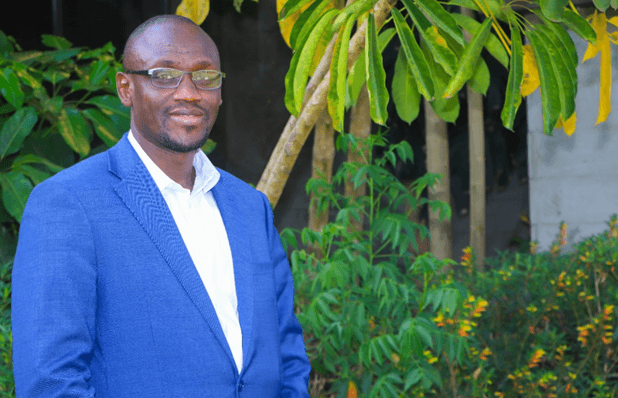
Dr. Amadou Niangaly is working on one of Africa’s most persistent and deadly challenges, malaria. An associate professor at the University of Sciences, Techniques and Technology of Bamako, he has spent years studying infectious diseases, but his focus has increasingly narrowed to malaria, a disease that continues to claim lives across the continent despite decades of intervention.
“Malaria is still a very big public health problem,” he says, reflecting on the reality faced across Africa. “It affects millions of people every year, especially children and pregnant women.”
Across the continent, malaria remains one of the leading causes of illness and death. While significant progress has been made through the use of insecticide treated nets, indoor spraying, early diagnosis, and treatment, these tools are increasingly under threat. The parasite responsible for malaria is evolving, developing resistance to drugs and adapting to existing prevention strategies. “The current control strategies are being challenged by resistance,” Dr. Niangaly explains. “We are seeing parasites adapt in ways that reduce the effectiveness of the tools we rely on.”
It is this growing challenge that sits at the heart of his research. Dr. Niangaly is investigating how malaria parasites respond to pressure from drugs, vaccines, and a promising new class of interventions monoclonal antibodies. These laboratory-produced molecules are designed to mimic the immune system’s ability to fight infections, offering a new frontier in malaria prevention.
Unlike vaccines currently recommended primarily for children, monoclonal antibodies hold the potential to protect broader populations. “We need tools that can prevent malaria across all age groups,” he notes. “That is where new approaches like monoclonal antibodies become important.”
Through his work, Dr. Niangaly is particularly interested in understanding “breakthrough infections”—cases where malaria occurs despite preventive interventions. By studying these cases at a molecular level, he hopes to uncover how parasites evade protection and, in doing so, contribute to the development of more effective and broadly protective solutions.
His research has been further strengthened through his fellowship at the U.S. National Institutes of Health (NIH), where he is working under the mentorship of leading malaria researcher Dr. Peter Crompton. There, he has gained access to advanced tools, collaborative networks, and an environment that fosters scientific exchange.
“I had a wonderful journey at NIH,” he says. “It gave me the opportunity to build collaborations and access resources that I could not easily have at home.”
For Dr. Niangaly, the experience is not just about personal growth—it is about building capacity for Africa. He speaks passionately about the importance of ensuring that African scientists are at the forefront of research addressing African challenges.
“This opportunity has changed my life,” he reflects. “But more importantly, it is helping to build capacity locally—for my institution, my country, and for Africa.”
His long-term vision extends beyond the laboratory. Alongside his research, he is committed to training the next generation of African scientists, equipping them with the skills and knowledge needed to tackle complex health challenges. He sees mentorship and collaboration as critical to sustaining progress.
“I want to contribute not only through research but also by training others,” he says. “The future of Africa’s science depends on the people we prepare today.”
There is a quiet confidence in his outlook—an optimism grounded in both science and purpose. “I look at the future as bright,” he says. “Not just for me, but for my institution, my country, and the continent.”
As malaria continues to evolve, so too must the strategies to defeat it. Through his work on monoclonal antibodies and parasite adaptation, Dr. Amadou Niangaly is helping to shape that future—one where Africa is not only the most affected by malaria, but also the leader in finding the solutions to end it.