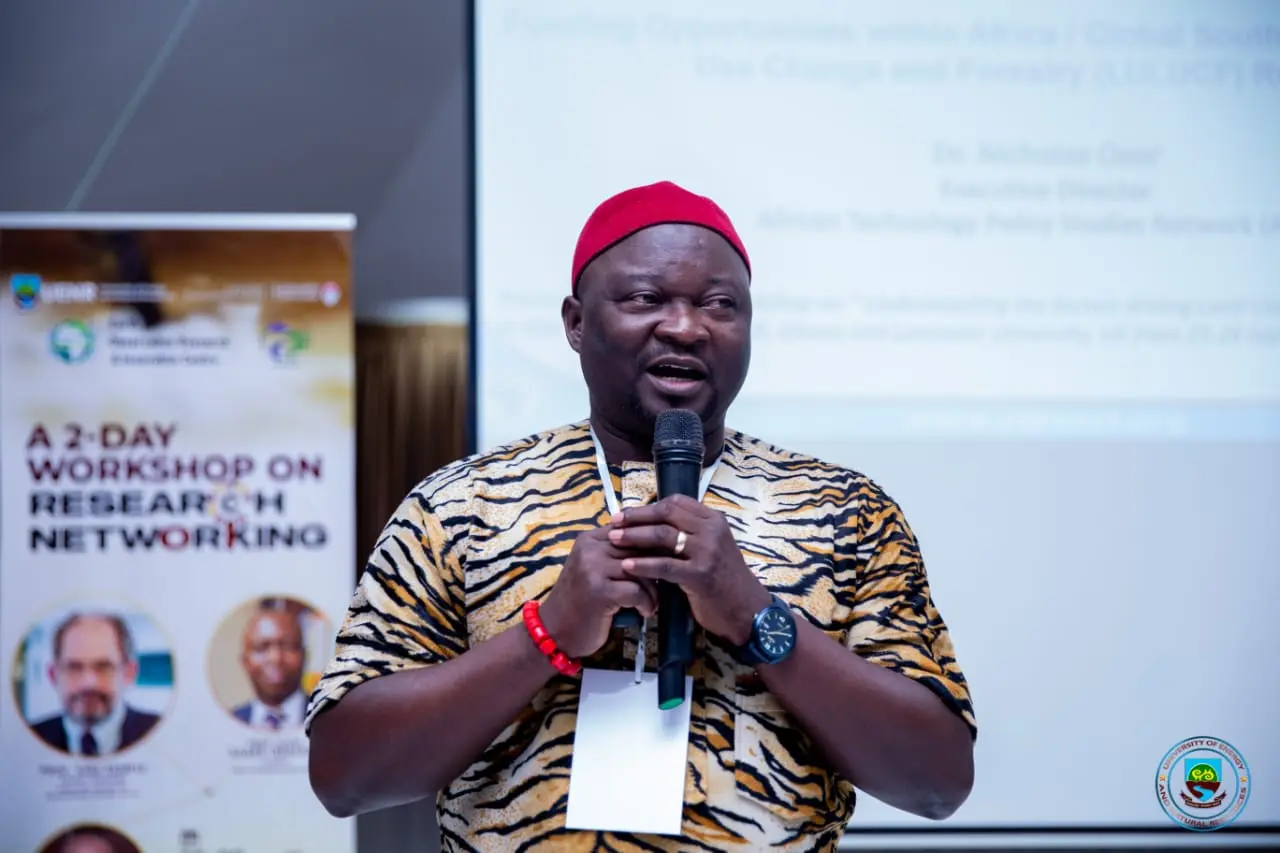
The African Academy of Sciences (AAS) convened an inception meeting for the third cohort of the African Postdoctoral Training Initiative (APTI) Fellows. This high-level gathering serves as a critical juncture for returning researchers who are now transitioning from advanced global training to the implementation of high-impact research within their home institutions. Supported by a strategic partnership with the Gates Foundation and the U.S. National Institutes of Health (NIH), the meeting reinforces a shared commitment to strengthening Africa’s domestic capacity to lead world-class global health research.
Institutional Frameworks and Ecosystem Development
Opening the proceedings, Professor Nkem Khumbah detailed the operational philosophy of the AAS Secretariat, emphasizing that the success of pan-African research programs relies on a transparent and interactive relationship between the Academy and its grantees. The AAS functions not merely as a funding conduit but as a continental convenor designed to foster an enabling scientific ecosystem. By integrating a community of nearly 800 Fellows across diverse disciplines and five geographic regions—North, West, East, Central, and Southern Africa—the Academy provides the governance architecture necessary to sustain scientific excellence. This structure honours the founding vision of Professor Thomas Odhiambo, who championed the principle that scientific inquiry must be the primary driver of continental development and evidence-based policy.
The APTI Model: Translating Global Training into Local Innovation
The APTI fellowship utilizes a unique four-year longitudinal model designed to maximize knowledge transfer and institutionalize expertise. Fellows engage in two years of intensive postdoctoral research within the intramural programs of the NIH in the United States, followed by a two-year repatriation phase at their home institutions in Africa. Today's inception meeting focused on the strategic transition from training to impact, as Fellows begin translating sophisticated methodologies and global collaborations into locally anchored research programs. The objective is to ensure that cutting-edge skills in priority areas—such as genomics, infectious disease surveillance, and maternal health—are effectively utilized to address the continent’s specific health challenges.
Scientists as Catalysts for Policy and Development
The discourse underscored a fundamental shift in the role of the African researcher: moving beyond the production of academic knowledge to serving as an active agent of development. Professor Khumbah and Dr. Bonnie Ushie both emphasized that for research to yield transformative change, the trajectory from data collection to implementation must be accelerated through closer collaboration with policy actors. Dr. Ushie reaffirmed the Academy’s steadfast commitment to empowering its grantees, urging Fellows to cultivate enduring, high-quality international collaborations. By sustaining these partnerships, APTI Fellows are positioned to amplify the African scientific voice and influence the global research agenda, ensuring that Africa is an equal partner in the discovery and translation of transformative health solutions.