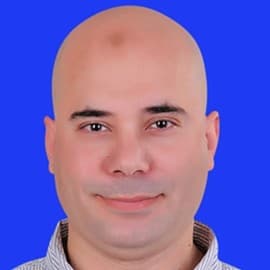
Professor Dr. Wael Mohamed, MD, PhD is an academic clinician–scientist with extensive expertise in neuroscience, neuropharmacology, and translational brain research, with particular focus on Parkinson’s disease (PD), Alzheimer’s disease, and brain–environment interactions. He completed his PhD training in the United States and is highly familiar with the American and international research environments, including multidisciplinary and multi-center collaborations.
He is the Founder and Chair of the AfrAbia Parkinson’s Disease Genomic Consortium (AA-PD-GC), an innovative platform uniting researchers across Africa and the Middle East to address gaps in genetic and clinical data on Parkinson’s disease in underrepresented populations. His work emphasizes multi-ancestry genomics, environmental risk factors, and precision medicine approaches, with active projects exploring the role of climate change, nutrition, and environmental toxins in neurodegenerative conditions. Further he is the founder and chair of AfrAbia Scoiety (AAS) which is an affiliate society with IBRO, SfN and MDS.
Professor Mohamed is actively developing international research proposals using zebrafish model to investigate climate change–induced neurological risks and AI-driven personalized interventions. He is also leading an innovative mobile application–based PD project aimed at improving PD patients quality of life.
He has contributed to and co-edited 16 scientific books, including work on the connection between diet, drugs, and brain health, and is engaged in global training and leadership initiatives, including programs associated with the American Academy of Neurology and international neuroscience congresses.
His long-term vision is to strengthen global brain health initiatives, promote equitable research representation, and establish sustainable research and training networks across low- and middle-income regions.