The African Academy of SciencesTransforming lives through science
GFGPMentorshipARISEFellows Login
The African Academy of Sciences
  • Who we are
    Who we are

    Our story

    Transforming lives through science

    A pan-African academy honouring excellence and shaping research for our continent.

    Discover the AAS

    The AAS

    • About Us
    • Our Partners
    • Contact us
    • Whistleblow

    Governance

    • General Assembly
    • The Governing Council
    • Secretariat
  • Our Fellows
    Our Fellows

    Excellence

    Africa's most distinguished scientists

    Meet our Fellows and Affiliates — leaders advancing science across the continent.

    Browse Fellows
    • AAS Fellows Profiles
    • Fellows Nomination
    • Affiliates
  • Programmes
    Programmes

    Impact

    Programmes shaping Africa's future

    Funding, training and infrastructure for transformative African science.

    All Programmes

    Featured programmes

    The African Postdoctoral Training Initiative (APTI)APTIThe African Postdoctoral Training Initiative (APTI)The African Research Initiative for Scientific Excellence (ARISE)ARISEThe African Research Initiative for Scientific Excellence (ARISE)Supporting and Developing Widening Strategies to Tackle Hydroclimatic Extreme Events (SD-WISHEES)SD-WISHEESSupporting and Developing Widening Strategies to Tackle Hydroclimatic Extreme Events (SD-WISHEES)The African Planet PrizeAPPThe African Planet Prize

    Browse by pillar

    Developing Young Scientist
    • The African Postdoctoral Training Initiative (APTI)
    • Fellows and Affiliates programme
    • The African Research Initiative for Scientific Excellence (ARISE)
    • The AAS Mentorship Scheme
    • AAS Executive Education Program
    Critical Gaps In Science
    • Supporting and Developing Widening Strategies to Tackle Hydroclimatic Extreme Events (SD-WISHEES)
    • The Global Grant Community (GGC)
    • Research Capacity Strengthening Programme in the Social Sciences, Humanities, and Arts. (SSHA)
    • Science4Peace (S4P) Africa Initiative
    • The African Planet Prize
  • News & Events
    News & Events

    Stay informed

    The latest from the AAS community

    News, events, webinars and publications from our scientific community.

    Visit Newsroom

    Media

    • Publications
    • AAS Policies
    • News
    • AAS Newsletters

    Activities

    • Events
    • Activities
    • Webinars
    • Gallery
  • Opportunities
    Opportunities

    Get involved

    Open calls and opportunities

    Vacancies, tenders and funding calls — join us in driving African science.

    View all openings
    • Vacancies
    • Tenders
    • Funding
Donate
logo
African Academy of Sciences

Founded in 1985, the African Academy of Sciences drives science, technology and innovation for Africa's sustainable development.

Call us

+254 709 15 8100

Email us

communication@aasciences.africa

About AAS

Who we areGoverning councilSecretariatWhistleblow

Explore

ProgrammesPublicationsNewsFellows

Opportunities

FundingEventsTendersVacancies
Our Sites
Global Grant CommunityFellows Portal
Follow

8 Miotoni Lane, Karen, Nairobi, Kenya

©1985–2026 The African Academy of Sciences. All Rights Reserved. Privacy & Terms

Olatunji Matthew Kolawole

Olatunji Matthew Kolawole was elected as an AAS Fellow in 2025. As a fellow, Olatunji Matthew Kolawole contributes to the development of the Academy's strategic direction through participation in AAS activities and governance structures. This gears the Academy's vision of transforming African lives through science.

View Other Fellows
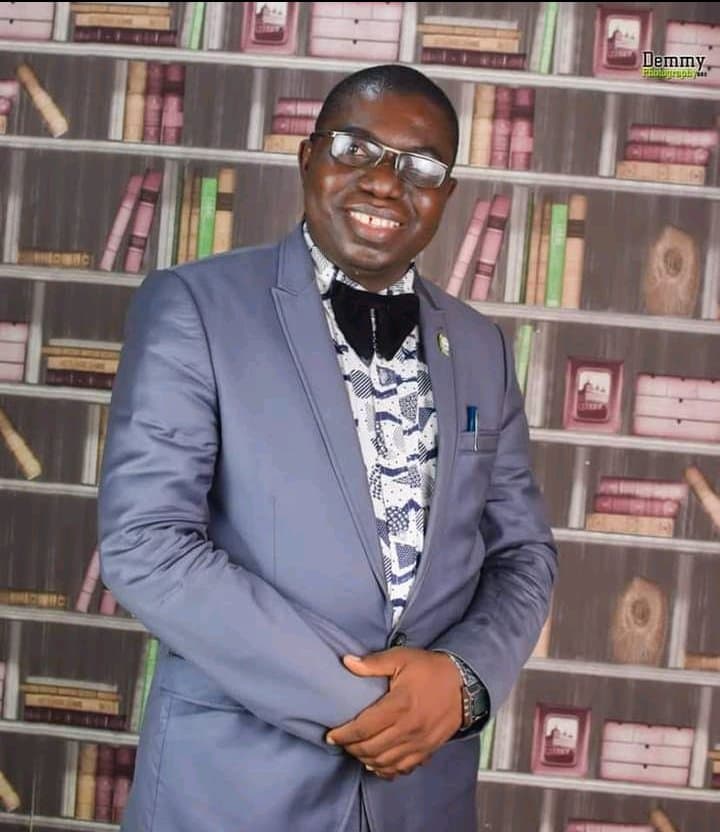
Portrait of Olatunji Matthew Kolawole

Olatunji Matthew Kolawole

Country

Nigeria

Year Elected

2025

Discipline

Biosciences

View Other Fellows
Portrait of Olatunji Matthew Kolawole

Olatunji Matthew Kolawole

Country

Nigeria

Year Elected

2025

Discipline

Biosciences

Biography

Professor Olatunji Matthew Kolawole is a leading virologist, environmental health scientist, and global authority in wastewater-based epidemiology. He distinguished himself early, graduating as the best student in Microbiology and the overall best in Biological Sciences at the University of Ilorin, Nigeria, where he later became the first Ph.D. holder and the first Professor of Medical Virology.
An internationally recognised Global Exceptional Talent endorsed by the Royal Society (UK), he is a Fellow of the Royal Society of Biology, Royal Society for Public Health, Applied Microbiology International, and the Academy of Public Health. He leads the Infectious Diseases and Environmental Health Research Group at the University of Ilorin. His postdoctoral training spans the Bernhard Nocht Institute for Tropical Medicine, Germany, and the University of Fort Hare, South Africa.
Prof. Kolawole’s work sits at the intersection of virology, wastewater surveillance, infectious disease epidemiology, and environmental microbiology. He was the first to report the circulation of Coronavirus OC229E/NL63 in Nigerian children and has contributed more than 260 publications, two patents, 37 novel contributions, and 118 genomic submissions to NCBI that continue to shape disease control strategies in Africa. His pioneering leadership as Nigeria’s National Coordinator for Poliovirus Laboratory Containment (2015–2024) played a critical role in Nigeria’s certification as polio-free.
He is a principal investigator on major national and global projects, including the Wellcome Trust–funded xSTAR project–Nigeria (Imperial College London) and the WHO AFRO–funded largest SARS-CoV-2 serosurvey in Africa. His wastewater research advances pathogen detection, outbreak preparedness, and the development of innovative, eco-friendly microbial bioflocculants for sustainable water treatment.
A Visiting Professor and IAS International Fellow at the University of Warwick, he has supervised 15 PhDs and 48 MSc students and continues to shape the next generation of African scientists. Prof. Kolawole also serves as a consultant virologist to the World Health Organization and Lead Consultant on the Nigeria CDC Environmental Surveillance Project supported by the Bill & Melinda Gates Foundation.